Saturday, 5 August 2023

Defense Mechanisms


Dr Syeda Safia Nazeer Khan

 Speech & Language Pathologist                  
Clinical Psychologist
RBT/ABA Certified


Defense mechanisms are psychological processes that operate unconsciously and are employed by individuals to protect themselves from uncomfortable or distressing thoughts, feelings, or situations. They serve as a means of reducing anxiety, managing internal conflicts, and preserving one's psychological well-being.

 These mechanisms were first identified and categorized by Sigmund Freud, the founder of psychoanalysis. According to Freud, defense mechanisms operate at an unconscious level and help individuals cope with threatening or unacceptable thoughts, impulses, or desires that might otherwise cause significant distress. Defense mechanisms serve as a buffer between the conscious and unconscious minds, shielding the individual from emotional turmoil.


There are numerous defense mechanisms, and each operates in its unique way. Some of the commonly recognized defense mechanisms include:

1. Repression

Repression involves blocking or pushing away threatening or unacceptable thoughts, memories, or desires from conscious awareness.

Example: A person who experienced a traumatic event in childhood may have no conscious recollection of the event later in life.

2.   Denial

Denial is the refusal to accept or acknowledge reality to avoid discomfort or anxiety.

Example: A person diagnosed with a terminal illness may deny the seriousness of their condition and continue to believe they will recover.


3.      Projection

Projection involves attributing one's unacceptable thoughts, feelings, or motives to someone else.

Example: A dishonest person may accuse others of being dishonest, claiming that everyone else lies.

 4.    Displacement

Displacement involves redirecting one's feelings or impulses from their source to a less threatening substitute target.

Example: After being reprimanded by their boss, a person may go home and take out their frustration on their spouse or children.

5.       Sublimation

 Sublimation involves channeling unacceptable impulses or emotions into socially acceptable activities.

 A person with aggressive tendencies may become a successful professional boxer, channeling their aggression into a sport.    

6.     Rationalization

Rationalization is the use of logical and plausible explanations to justify or make acceptable one's thoughts, feelings, or behaviors.

Example: A student who fails an exam might rationalize it by saying that the questions were unfair or that they didn't have enough time to study.


7.       Regression

 Regression involves reverting to a childlike or earlier stage of functioning to cope with stress or anxiety.

Example: An adult may start sucking their thumb or engage in other childish behaviors during times of extreme stress.  

8.  Reaction Formation

   Reaction formation involves expressing feelings or attitudes that are the opposite of one's true thoughts or emotions.

Example: A person who harbors unconscious feelings of hostility towards someone may overtly display exaggerated friendliness towards them.

9.       Intellectualization

 Intellectualization is the excessive use of rational thinking or abstract reasoning to avoid or minimize the emotional impact of a situation.

 Example: After the death of a loved one, a person may focus on the scientific aspects of death and mortality rather than experiencing grief.  

10.   Undoing

Undoing involves engaging in behavior or thoughts to counteract or negate previous unacceptable thoughts, actions, or impulses.

Example: A person who feels guilty about having harmful thoughts may engage in excessive acts of kindness or charity to "undo" those thoughts.


11:  Fantasy

 Escaping from reality by creating an imaginary world or engaging in daydreaming to cope with stress or fulfill unmet desires.

Example: An individual who feels dissatisfied with their current job and longs for a more fulfilling career may frequently daydream about becoming a successful artist or starting their own business, creating elaborate scenarios and envisioning a happier and more rewarding life.

12:  Minimization

Downplaying the significance or importance of a situation, event, or one's own emotions to avoid discomfort or anxiety.

Example: After receiving critical feedback on a project they worked hard on, a person may downplay the significance of the feedback, telling themselves that it was just one person's opinion and that it doesn't matter.

13:  Compensation

Overemphasizing or excelling in one area to make up for perceived deficiencies or failures in another area.

Example: A person who feels insecure about their physical appearance may invest significant effort into developing exceptional skills in a particular area, such as academics or sports, to compensate for their perceived shortcomings and gain a sense of self-worth.

14: Dissociation

Mentally detaching oneself from a distressing or traumatic event to avoid experiencing its full emotional impact.

Example: A survivor of a traumatic event may describe their experience as if they were an observer, detached from the situation, and lacking emotional involvement. This detachment allows them to protect themselves from the overwhelming emotions associated with the trauma.

15: Somatization

Converting emotional distress into physical symptoms or ailments without any apparent medical cause.

Example: A person who is experiencing high levels of stress and anxiety but is unable to express their emotions directly may develop physical symptoms such as headaches, stomachaches, or muscle tension, which serve as a way to channel their emotional distress into physical sensations.


     16:     Self-observation:

 Self-observation involves consciously observing and reflecting on one's thoughts, emotions, and behaviors without judgment or defensiveness.

Example: A person who notices recurring patterns of anxious thoughts may engage in self-observation to gain insight into the triggers and underlying causes of their anxiety.

17:       Anticipation

Anticipation involves proactively considering potential future challenges or stressful situations and preparing oneself mentally and emotionally to effectively cope with them.

Example: An individual who is about to start a new job may anticipate the stress and challenges that come with it and take proactive steps, such as learning new skills or seeking advice, to ease the transition.

18:     Altruism

 Altruism refers to selflessly helping or supporting others, often with a genuine concern for their well-being.

 Example: A person who witnesses a colleague struggling with a heavy workload may offer assistance and support, helping to alleviate their burden and contribute to a more positive work environment.  

 19:       Affiliation

Affiliation involves seeking and maintaining social connections and support from others to enhance well-being and cope with stress.

 Example: A person going through a difficult time may actively seek out social activities or groups where they can connect with others who share similar interests or experiences, fostering a sense of belonging and support.   


20:    Self-Assertion

 Self-assertion involves expressing one's needs, desires, or opinions respectfully and assertively while considering the rights and feelings of others.

Example: Instead of passively accepting unfair treatment, a person may assertively communicate their boundaries and express their needs calmly and assertively, seeking a mutually beneficial resolution.

21:     Compensation

Compensation involves emphasizing and developing strengths in response to perceived weaknesses or shortcomings.

Example: An individual who feels insecure about their artistic abilities may compensate by focusing on and excelling in other areas, such as writing or public speaking, to boost their self-confidence.

 22:       Sublimation

 Sublimation involves channeling socially unacceptable impulses or emotions into socially acceptable activities.

Example: A person who experiences intense anger or frustration may channel those emotions into intense workouts or physical activities, effectively releasing tension and promoting emotional well-being.


These are just some examples of defense mechanisms, and there may be additional variations or subcategories proposed by different psychological theories. These examples demonstrate how these mature defense mechanisms can be applied in various situations to promote self-awareness, personal growth, and effective coping. It's important to note that the use of these defense mechanisms may require conscious effort and practice. Seeking therapy or counseling can provide valuable guidance and support in developing and strengthening these adaptive coping mechanisms, and individuals may employ a combination of mechanisms depending on the situation or their psychological makeup.


Wednesday, 22 March 2023

Assessing Voice Disorders


  Dr Syeda Safia Nazeer Khan

 Speech & Language Pathologist                  
Clinical Psychologist
RBT/ABA Certified 


Voice disorders are conditions that affect the production or quality of voice, including changes in pitch, volume, or quality of sound. They can result from a variety of causes, including vocal misuse or abuse, neurological conditions, structural abnormalities, or psychological factors.

There are several types of voice disorders, each with its own unique characteristics and causes. 

Dysphonia: This is a broad term that refers to any disorder that affects the quality of voice. Dysphonia can result from vocal cord nodules, polyps, or other structural abnormalities, as well as neurological conditions, such as Parkinson's disease or multiple sclerosis.


Vocal cord paralysis: This occurs when the nerves that control the vocal cords are damaged, resulting in weakened or paralyzed vocal cords. This can cause difficulty speaking, breathiness, and hoarseness.


Spasmodic  Dysphonia: This is a neurological disorder that causes involuntary spasms of the vocal cords, resulting in a strained or strangled-sounding voice.


Laryngitis: This is an inflammation of the larynx (voice box) that can cause hoarseness, difficulty speaking, and sometimes a complete loss of voice.


Puberphonia: This is a disorder in which an adult male continues to speak with a high-pitched voice, similar to that of a prepubescent boy. It is usually caused by a failure to develop a deeper voice during puberty.


Muscle tension dysphonia: This occurs when the muscles used for speaking become tense or strained, resulting in a strained or hoarse voice. This can be caused by vocal misuse or abuse, such as yelling or singing incorrectly.


Benign vocal cord lesions: This refers to non-cancerous growths on the vocal cords, such as nodules, polyps, or cysts. These can cause hoarseness, breathiness, and difficulty speaking.


Assessing Voice Disorder


Voice Disorders Assessment

 Voice disorders can affect anyone at any age, and they can be caused by a variety of factors, including overuse of the voice, respiratory problems, neurological conditions, and vocal cord damage. It is important to assess and diagnose voice disorders in order to determine the most appropriate treatment options.

Case History: A comprehensive case history is an essential part of assessing a voice disorder. It includes gathering information about the patient's medical history, vocal habits, and current voice use. It also includes information about the onset, duration, and progression of the voice disorder.


Perceptual Assessment: A perceptual assessment of voice quality involves listening to the patient speak and rating the voice quality based on several parameters such as hoarseness, breathiness, strain, and pitch breaks. This assessment can be done by a speech-language pathologist, otolaryngologist, or voice specialist.


Acoustic Analysis: An acoustic analysis of the patient's voice can provide objective voice quality measurements. This analysis involves recording the patient's voice and using specialized software to measure several parameters, such as fundamental frequency, jitter, shimmer intensity, and spectral characteristics of their voice


Aerodynamic Assessment: An aerodynamic assessment involves measuring the pressure and airflow during speech. This assessment can help determine if there are any underlying respiratory problems that are contributing to the voice disorder.


Imaging Studies: Imaging studies such as laryngoscopy, video stroboscopy, or CT scan of the larynx may be performed to visualize the vocal cords and assess any structural abnormalities, such as nodules, polyps, or tumors.


Patient Self-Assessment: Patients can provide valuable insights into their own voice and the impact of their voice disorder on their quality of life. Self-assessment tools such as the Voice Handicap Index can be used to evaluate the patient's perception of their voice and how it affects their daily activities.

Vocal Fold Assessment 


1. Inspection: The examiner visually inspects the patient's neck and face for any abnormalities or asymmetries. They may also observe the patient's breathing and speaking patterns.

2. Palpation: The examiner uses their fingers to feel the patient's thyroid cartilage and cricoid cartilage for any masses or nodules. They may also palpate the patient's larynx and trachea for any tenderness or masses.

3. Phonation: The patient is asked to speak or sing to assess the quality of their voice. The examiner may also use a tuning fork to assess the patient's voice.

4. Laryngeal Manipulation: The examiner uses a laryngeal mirror or fiberoptic scope to visualize the patient's vocal folds. They may also use a strobe light to observe the movement of the vocal folds during speech or singing.

5. Acoustic Analysis: The patient's speech or singing may be recorded and analyzed to assess the fundamental frequency, intensity, and spectral characteristics of their voice.

6. Aerodynamic Analysis: The examiner may use a pressure transducer to measure the airflow and pressure during speech or singing. This can help to assess the patient's glottal closure and vocal fold vibration.

7. Special Tests: Additional tests such as video stroboscopy, capillary microscopy, or laryngeal electromyography may be performed if necessary.

8. Diagnosis and Treatment: After the examination, the examiner will provide a diagnosis and recommend appropriate treatment options, which may include speech therapy, medication, or surgery.

Conclusion  

Assessing and treating voice disorders requires a multidisciplinary approach that involves a team of specialists, including otolaryngologists, speech-language pathologists, and voice specialists. By conducting a thorough assessment and diagnosis, clinicians can develop an individualized treatment plan to help patients improve their voice quality and overall quality of life.

Treatment for voice disorders depends on the underlying cause and severity of the condition. In some cases, simple changes in vocal technique, such as speaking more slowly or taking breaks during speaking, can improve symptoms. In other cases, surgery or medication may be necessary. 

It is important to seek treatment for voice disorders, as untreated conditions can lead to further complications, including chronic hoarseness, vocal fatigue, and even loss of voice. If you are experiencing any changes in your voice, such as hoarseness, breathiness, or difficulty speaking, it is important to consult with a healthcare professional who specializes in voice disorders.


Sunday, 26 February 2023

VOICE


Dr Syeda Safia Nazeer Khan

 Speech & Language Pathologist                  
Clinical Psychologist
RBT/ABA Certified 

voice is a powerful tool that we use every day to communicate, express ourselves, and connect with others. A normal voice is one that is clear, effortless, and easy to understand. In this blog, we will explore the characteristics of a normal voice, how it works, and how to maintain it.


The human voice is produced by the vibration of the vocal folds, which are located in the larynx or voice box. When we speak, air from the lungs passes through the vocal folds, causing them to vibrate and produce sound. The sound is then shaped by the resonance of the vocal tract, which includes the throat, mouth, and nasal cavity, to produce the unique qualities of our voice.

A normal voice is characterized by a few key factors. First, it should be clear and easy to understand. This means that the words and sounds should be pronounced accurately, without any difficulty or distortion. Second, a normal voice should be able to convey a range of emotions, from joy and excitement to sadness and anger. This requires the ability to modulate pitch, volume, and tone to match the message being conveyed.

Another important factor of a normal voice is that it should be effortless and free from strain or tension. This means that the vocal folds should be able to vibrate easily and smoothly without any undue pressure or stress. This is particularly important for individuals who use their voice for extended periods of time, such as singers, actors, and public speakers.

1:Voice Components

 There are several components that make up a person's voice:

 Vocal Cords:  

The vocal cords, also known as vocal folds, are two folds of muscle tissue located in the larynx or voice box. When air passes through the vocal cords, they vibrate, producing sound waves that travel up through the throat and out of the mouth and/or nose. 


The vibration of the vocal cords is controlled by the muscles in the larynx, which adjust their tension to produce different pitches and volumes of sound.

Resonance: 

Resonance refers to the way sound waves produced by the vocal cords resonate within the body's cavities, including the mouth, nose, and throat. The size and shape of these cavities can affect the way sound is amplified and modified as it travels through them, giving each person's voice a unique quality or timbre. For example, a person with a larger mouth cavity may have a deeper, more resonant voice than someone with a smaller mouth.

Articulators: 

Articulators are the lips, tongue, and teeth, which work together to shape and modify the sound produced by the vocal cords. By moving these structures in different ways, a person can produce different speech sounds or phonemes, which make up the words of a language. For example, the tongue can be placed in different positions to produce the "t" sound in "tea" or the "sh" sound in "sheep."

 Breath Support:

 Proper breathing is essential for producing a strong, clear voice. The diaphragm, a large muscle located beneath the lungs, helps control the flow of air in and out of the body during speaking or singing.By using the diaphragm and other respiratory muscles effectively, a person can produce a steady stream of air that can be modulated by the vocal cords to produce different volumes and pitches of sound.

 Pitch:

Pitch refers to the highness or lowness of a voice, which is controlled by the tension of the vocal cords. When the vocal cords are tense and thin, they vibrate quickly, producing a high-pitched sound. When they are relaxed and thick, they vibrate more slowly, producing a low-pitched sound. By adjusting the tension of the vocal cords, a person can produce different pitches of sound, which are used to convey different emotions or to differentiate between different words or syllables.

Volume: 

Volume refers to the loudness or softness of a voice, which is controlled by the amount of air passing over the vocal cords. When a person exhales more air over the vocal cords, they vibrate more vigorously, producing a louder sound. When less air is exhaled, the vocal cords vibrate less vigorously, producing a softer sound. By adjusting the amount of air passing over the vocal cords, a person can produce different volumes of sound, which can be used to convey emphasis or to communicate in noisy environments.

 Tone: 

Tone refers to the quality or character of a voice, which can be affected by factors such as age, gender, and health. For example, a person's vocal tone may become deeper as they age, or may be different depending on whether they are male or female. Other factors that can affect tone include vocal disorders or medical conditions that affect the vocal cords, such as laryngitis or polyps.

2:Voice Quality

Voice quality, also known as vocal timbre, refers to the unique characteristics of a person's voice that make it distinguishable from other voices. It is the result of several factors, including the size and shape of the vocal tract, the tension of the vocal cords, and the way the sound resonates in the body's cavities.

One important factor that affects voice quality is the size and shape of the vocal tract. The vocal tract is the series of cavities in the body that the sound waves produced by the vocal cords pass through, including the pharynx, mouth, and nasal cavity. The size and shape of these cavities can affect the way sound is amplified and modified as it travels through them, giving each person's voice a unique quality or timbre. For example, a person with a larger mouth cavity may have a deeper, more resonant voice than someone with a smaller mouth.


 Another factor that affects voice quality is the tension of the vocal cords. When the vocal cords are tense and thin, they vibrate quickly, producing a high-pitched sound. They vibrate more slowly when they are relaxed and thick, producing a low-pitched sound. By adjusting the tension of the vocal cords, a person can have different pitches of sound, which can affect the overall quality of their voice.

 In addition to the size and shape of the vocal tract and the tension of the vocal cords, other factors that can affect voice quality include age, gender, and health. For example, a person's vocal tone may become deeper as they age, or may be different depending on whether they are male or female. Other factors that can affect tone include vocal disorders or medical conditions that affect the vocal cords, such as laryngitis or polyps.

 Voice quality can also be affected by factors such as emotion, mood, and personality. For example, a person who is feeling happy or excited may have a more animated or expressive voice, while a person who is feeling sad or tired may have a more subdued or monotone voice. Similarly, a person's personality traits, such as extroversion or introversion, can affect the way they speak and the overall quality of their voice.

3:Anatomy Of Vocal System

 The anatomy of the vocal system involves various structures that work together to produce speech and sound. Understanding the anatomy of the vocal system is essential for singers, actors, public speakers, and anyone who relies on their voice for communication or performance.

 The vocal system includes several key structures, including the larynx, pharynx, oral cavity, and nasal cavity. Each of these structures plays a unique role in the production of sound and speech.

Larynx:

 The larynx, also known as the voice box, is located at the top of the trachea or windpipe. The larynx is made up of cartilage and muscle and is responsible for producing sound by vibrating the vocal cords. The vocal cords, also known as vocal folds, are two folds of tissue that stretch across the larynx. When air passes through the larynx, the vocal cords vibrate, producing sound. 


Pharynx:

 The pharynx is a tube-like structure that connects the nose and mouth to the larynx and esophagus. The pharynx serves as a pathway for air and food, as well as a resonating chamber for sound. The shape and size of the pharynx can affect the quality and tone of the sound produced by the vocal cords.


Oral Cavity:

 The oral cavity, also known as the mouth, is the space behind the lips and in front of the throat. The oral cavity plays a crucial role in shaping sound and speech by manipulating the movement of the tongue, lips, and jaw. The oral cavity also serves as a resonating chamber for sound, helping to amplify and shape the sound produced by the vocal cords.


 Nasal Cavity:

 The nasal cavity is the space behind the nose that connects to the pharynx. The nasal cavity plays a role in the production of nasal sounds by allowing air to pass through the nasal passages. The nasal cavity also plays a role in the resonance of sound, especially for certain sounds such as the "n" or "m" sounds.

 Other structures that play a role in the vocal system include the diaphragm, which is the primary muscle responsible for breathing, and the ribcage, which protects the lungs and assists in breathing.

 In summary, the anatomy of the vocal system is a complex and interconnected system of structures that work together to produce sound and speech. Understanding the function and interaction of these structures is essential for anyone who wants to improve their vocal performance or communication skills.

4:Physiology of Vocal System:

The physiology of the vocal system involves the complex mechanisms that work together to produce sound and speech. The process of producing sound involves a combination of respiration, phonation, and articulation.

Respiration:

The process of respiration involves breathing, which is necessary for the production of sound. During respiration, the air is drawn into the lungs and then expelled through the vocal system. The muscles of the diaphragm and ribcage work together to control the flow of air, which is essential for producing sound.


Phonation:

 Phonation is the process by which sound is produced by the vibration of the vocal cords in the larynx. The vocal cords vibrate when air passes through them, producing sound waves that can be modified by other structures in the vocal system. The vocal cords are controlled by a complex set of muscles and nerves that allow for precise control over the pitch and tone of the voice.

Articulation:

Articulation is the process by which the sounds produced by the vocal cords are shaped and modified by other structures in the vocal system, including the pharynx, oral cavity, and nasal cavity. The movement of the tongue, lips, and jaw play a critical role in shaping and modifying sounds into recognizable words and phrases.

 The physiology of the vocal system is affected by various factors, including age, gender, and overall health. As we age, the vocal cords can lose elasticity, leading to changes in the tone and quality of the voice. Hormonal changes during puberty can also lead to changes in the vocal cords and overall vocal range. Certain medical conditions, such as vocal cord paralysis, can also impact the physiology of the vocal system.


Improving vocal physiology requires a combination of proper breathing techniques, vocal exercises, and healthy lifestyle habits. Vocal coaches and speech therapists can provide guidance on how to improve vocal physiology by teaching proper breathing techniques, posture, and vocal exercises to strengthen and control the muscles of the vocal system.

 In conclusion, the physiology of the vocal system is a complex and interconnected system of structures, muscles, and nerves that work together to produce sound and speech. Understanding the function and interaction of these components is essential for anyone who wants to improve their vocal performance or communication skills.

voice quality can be improved through training and practice. Voice coaches and speech therapists can work with individuals to develop proper vocal techniques and breathing exercises that can help them produce a more clear, more confident, and more expressive voice. Techniques such as vocal warm-ups, diaphragmatic breathing, and vocal range exercises can help individuals improve their voice quality and achieve a more effective and powerful speaking or singing voice.


CLICK HERE  to download HD Video


Sunday, 29 January 2023

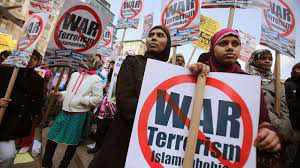
Islamophobia


سیدہ صفیہ نذیرخان
 طبی ماہر نفسیات
اسپیچ  لینگویج پیتھالوجسٹ
  سند یافتہRBT/ABA  

اسلامو فوبیا


اسلامو فوبیا ایک اصطلاح ہے جو اسلام یا مسلمانوں کے خلاف خوف، نفرت، یا تعصب کو بیان کرتی ہے۔ یہ نسل پرستی کی ایک شکل ہے جو لوگوں کو ان کے مذہب یا سمجھی جانے والی مذہبی وابستگی کی بنیاد پر نشانہ بناتی ہے۔ اسلاموفوبیا حالیہ

برسوں میں تیزی سے پھیل رہا ہے، اور اس نے دنیا بھر کے مسلمانوں کی زندگیوں پر نمایاں اثرات مرتب کیے ہیں۔

اسلامو فوبیا سے مراد مسلمانوں اور اسلام کے تئیں خوف، تعصب اور امتیازی سلوک ہے۔ یہ مختلف طریقوں سے ظاہر ہو سکتا ہے، جیسے نفرت انگیز تقریر، نفرت انگیز جرائم، اور کام کی جگہ پر یا خدمات تک رسائی میں امتیاز۔


اسلامو فوبیا ایک پیچیدہ رجحان ہے جس کی تاریخی اور عصری دونوں وجوہات ہیں۔ تاریخی طور پر، اسلام کا تعلق یورپ اور مغرب میں "دوسرے" کے ساتھ رہا ہے، جو قرون وسطیٰ کی صلیبی جنگوں اور استعمار سے ہے۔ حالیہ دنوں میں، 11 ستمبر 2001 کے حملوں اور اس کے بعد "دہشت گردی کے خلاف جنگ" کے نتیجے میں مسلم مخالف جذبات اور امتیازی سلوک میں اضافہ ہوا ہے۔


اسلامو فوبیا کی سب سے عام شکلوں میں سے ایک امتیازی سلوک ہے۔ مسلمانوں کو کام کی جگہ، رہائش اور تعلیم میں اکثر امتیازی سلوک کا سامنا کرنا پڑتا ہے۔ انہیں نوکریوں یا ترقیوں سے بھی انکار کیا جا سکتا ہے، اور وہ نفرت انگیز تقریر یا نفرت انگیز جرائم کا نشانہ بن سکتے ہیں۔ اس سے مسلمانوں کے لیے اپنی زندگی گزارنا اور اپنے مقاصد کو حاصل کرنا مشکل ہو سکتا ہے۔

اسلامو فوبیا کی ایک اور شکل میڈیا میں مسلمانوں کو دہشت گرد یا انتہا پسند کے طور پر پیش کرنا ہے۔ یہ دقیانوسی تصور اکثر نیوز میڈیا کے ذریعہ برقرار رہتا ہے۔ مسلمانوں کے لیے اس دقیانوسی تصور کا مقابلہ کرنا مشکل ہو سکتا ہے کیونکہ یہ بہت وسیع ہے۔

اسلام فوبیا ممالک کی خارجہ پالیسی کو بھی متاثر کرتا ہے۔ بہت سے ممالک نے اسلام فوبیا کو مسلم اکثریتی ممالک پر حملہ کرنے یا حملہ کرنے کے جواز کے طور پر استعمال کیا ہے۔ جس کی وجہ سے لاکھوں بے گناہ لوگوں کی موت واقع ہوئی ہے اور ایک انسانی بحران پیدا ہوا ہے۔

اسلام فوبیا کے اس قدر عام ہونے کی بہت سی وجوہات ہیں۔ کچھ لوگ لاعلمی یا خوف کی وجہ سے متحرک ہو سکتے ہیں۔ دوسروں کو نفرت یا دوسروں کے خلاف امتیازی سلوک کرنے کی خواہش سے متاثر کیا جا سکتا ہے۔ کچھ معاملات میں، اسلامو فوبیا سیاسی یا اقتصادی عوامل کا نتیجہ ہے۔


مزید برآں، بہت سے مغربی ممالک میں انتہائی دائیں بازو کی سیاست اور پاپولسٹ تحریکوں کا عروج اسلامو فوبک نظریات کو مرکزی دھارے میں لانے اور مسلمانوں کے خلاف نفرت پر مبنی جرائم میں اضافے کا باعث بنا ہے۔


اسلاموفوبیا دنیا کے بہت سے دوسرے ممالک کو بھی متاثر کرتا ہے، خاص طور پر مشرق وسطیٰ میں، جہاں یہ اکثر جاری تنازعات اور سیاسی تناؤ سے منسلک ہوتا ہے۔


یہ تسلیم کرنا بھی ضروری ہےکہ اسلامو فوبیا صرف افراد میں ایک مسئلہ نہیں ہے، بلکہ بہت سے معاشروں میں ادارہ جاتی بھی ہے۔ مسلمانوں کو کام کی جگہ، تعلیم اور عوامی خدمات تک رسائی میں اکثر امتیازی سلوک کا سامنا کرنا پڑتا ہے۔


1: اسلاموفوبیا اور اس کی جڑیں


اسلامو فوبیا، اسلام یا مسلمانوں کے خلاف خوف یا تعصب کی ایک پیچیدہ اور کثیر جہتی تاریخ ہے، جس کی جڑیں مختلف ثقافتی، سیاسی اور اقتصادی عوامل میں پیوست ہیں۔ اسلامو فوبیا کے بڑھنے میں چند اہم عوامل شامل ہیں:


1. تاریخی واقعات:

 تاریخی واقعات، جیسے صلیبی جنگیں اور استعمار نے اسلام اور مسلمانوں کے بارے میں منفی تاثرات پیدا کیے ہیں۔ ان واقعات نے اسلام اور مسلمانوں کے بارے میں دقیانوسی تصورات اور غلط فہمیوں کو ہوا دی ہے، جو آج بھی تصورات کو تشکیل دے رہے ہیں۔


2. سیاسی اور اقتصادی عوامل:

 اسلامو فوبیا کے بڑھنے میں سیاسی اور اقتصادی عوامل نے بھی کردار ادا کیا ہے۔ مثال کے طور پر، بہت سے ممالک میں دائیں بازو کی پاپولزم اور قوم پرست تحریکوں کے عروج کے ساتھ مسلم مخالف جذبات میں اضافہ ہوا ہے۔ بے روزگاری اور غربت جیسے معاشی عوامل بھی اسلامو فوبیا میں اضافے کا باعث بن سکتے ہیں۔


3. میڈیا کی نمائندگی:

 میڈیا میں مسلمانوں اور اسلام کی جس طرح نمائندگی کی جاتی ہے وہ بھی اسلامو فوبیا میں حصہ ڈال سکتا ہے۔ مطالعات سے پتہ چلتا ہے کہ میڈیا میں مسلمانوں کو اکثر پرتشدد، پسماندہ اور جابرانہ طور پر دکھایا جاتا ہے، جو اسلام اور مسلمانوں کے بارے میں منفی تاثرات کو جنم دے سکتا ہے۔


4. دہشت گردی کا خوف:

 دہشت گردی کا خوف، خاص طور پر 9/11 کے حملوں کے بعد سے، نے بھی اسلامو فوبیا کو بڑھانے میں اہم کردار ادا کیا ہے۔ اسلام کو دہشت گردی کے ساتھ جوڑنے کی وجہ سے مسلمانوں کے خلاف جانچ اور امتیازی سلوک میں اضافہ ہوا ہے، حالانکہ دہشت گردی کے زیادہ تر حملے مسلمان نہیں کرتے ہیں۔


5. سیاسی جوڑ توڑ:

 کچھ سیاسی رہنماؤں اور گروہوں نے اپنی پالیسیوں یا سیاسی مہمات کے لیے حمایت حاصل کرنے کے لیے اسلامو فوبیا کو سیاسی فائدے کے لیے ایک ہتھیار کے طور پر استعمال کیا ہے۔ یہ ہیرا پھیری اسلام اور مسلمانوں کے بارے میں دقیانوسی تصورات اور غلط فہمیوں کو ہوا دے سکتی ہے اور مسلمانوں کے خلاف امتیازی سلوک اور تشدد کو بڑھا سکتی ہے۔


اسلامو فوبیا کا مقابلہ کرنے کے لیے کثیر جہتی نقطہ نظر کی ضرورت ہے جس میں تعلیم، میڈیا خواندگی، اور بین المذاہب مکالمے کو فروغ دینا شامل ہے۔ مزید برآں، امتیازی سلوک کے خلاف قوانین اور پالیسیوں کو نافذ کیا جانا چاہیے، اور نفرت انگیز جرائم کو سنجیدگی سے لیا جانا چاہیے اور اس کے مطابق سزا دی جانی چاہیے۔


مسلم کمیونٹیز اور تنظیموں کی حمایت کرنا اور میڈیا اور عوامی گفتگو میں مسلم آوازوں اور نقطہ نظر کو وسعت دینا بھی ضروری ہے۔


ہر ایک کے لیے یہ ضروری ہے کہ وہ اپنے اپنے تعصبات سے آگاہ ہوں اور ان کو چیلنج کرنے اور ان پر قابو پانے کے لیے فعال طور پر کام کریں۔ افہام و تفہیم کو بڑھا کر اور باہمی احترام اور قبولیت کو فروغ دے کر، ہم سب کے لیے ایک زیادہ منصفانہ اور مساوی معاشرے کے لیے کام کر سکتے ہیں۔


2: سیاسی فوائد اور اسلاموفوبیا


اسلامو فوبیا ایک پیچیدہ مسئلہ ہے جس کی وجہ مختلف عوامل ہیں جن میں جہالت، تعصب اور سیاسی فائدے شامل ہیں۔ بعض صورتوں میں، سیاسی رہنما اور جماعتیں اسلام فوبیا کو حمایت حاصل کرنے اور انتخابات جیتنے کے لیے استعمال کر سکتی ہیں۔

سیاسی رہنما اور جماعتیں اسلام فوبیا کو استعمال کرنے کا ایک طریقہ مسلمانوں میں خوف اور عدم اعتماد کو ہوا دینا ہے۔ اس میں مسلمانوں کے بارے میں خرافات اور دقیانوسی تصورات پھیلانا، انہیں قومی سلامتی یا معاشرتی اقدار کے لیے خطرہ کے طور پر پیش کرنا، اور انہیں دہشت گردی یا انتہا پسندی سے جوڑنا شامل ہو سکتا ہے۔ ایسا کرنے سے سیاسی رہنما اور جماعتیں ووٹروں سے اپیل کر سکتی ہیں جو ان مسائل کے بارے میں فکر مند ہو سکتے ہیں اور ان کی حمایت حاصل کر سکتے ہیں۔

ایک اور طریقہ جس سے سیاسی رہنما اور جماعتیں اسلام فوبیا کو استعمال کر سکتی ہیں وہ ہے ایسی پالیسیوں کو آگے بڑھانا جو مسلمانوں کے خلاف امتیازی سلوک کرتی ہیں۔ اس میں وہ پالیسیاں شامل ہو سکتی ہیں جو مسلمانوں کی امیگریشن کو محدود کرتی ہیں، مسلمانوں کے حقوق کو محدود کرتی ہیں، یا مسلم کمیونٹیز کو نگرانی یا ریاستی جبر کی دوسری شکلوں کے لیے نشانہ بناتی ہیں۔ ایسا کرنے سے سیاسی رہنما اور جماعتیں ووٹروں سے اپیل کر سکتی ہیں جو ان مسائل کے بارے میں فکر مند ہو سکتے ہیں اور ان کی حمایت حاصل کر سکتے ہیں۔

بعض صورتوں میں، سیاسی رہنما اور جماعتیں دوسرے مسائل سے توجہ ہٹانے یا اپنے اپنے ایجنڈے کی حمایت کے لیے اسلامو فوبیا کا استعمال بھی کر سکتی ہیں۔ مثال کے طور پر، ایک سیاسی رہنما اقتصادی یا سماجی مسائل سے توجہ ہٹانے یا فوجی مداخلت یا خارجہ پالیسی کے دیگر اہداف کی حمایت کے لیے اسلامو فوبیا کا استعمال کر سکتا ہے۔


اس بات سے آگاہ ہونا ضروری ہے کہ سیاسی رہنما اور جماعتیں اسے حمایت حاصل کرنے اور اسے آگے بڑھانے کے لیے کن طریقوں سے استعمال کر سکتی ہیں۔ ایجنڈا اپنے آپ کو اور دوسروں کو اسلام اور مسلم کمیونٹی کے حقائق سے آگاہ کرنا اور نفرت انگیز تقریر اور امتیازی سلوک کے خلاف آواز اٹھانا بہت ضروری ہے۔ ان تنظیموں اور گروہوں کی حمایت کرنا بھی ضروری ہے جو اسلامو فوبیا کا مقابلہ کرنے اور مسلمانوں کے حقوق کی وکالت کرنے کے لیے کام کرتے ہیں.


3: اسلامو فوبیا اور او آئی سی۔


 اسلامی تعاون تنظیم (OIC) ایک بین الاقوامی تنظیم ہے جو مسلم دنیا کے مفادات کی نمائندگی کرتی ہے۔ یہ 57 رکن ممالک پر مشتمل ہے اور اسے 1969 میں قائم کیا گیا تھا۔ او آئی سی نے اسلامو فوبیا کے مسئلے سے نمٹنے میں اہم کردار ادا کیا ہے۔

او آئی سی کے اسلام فوبیا سے نمٹنے کا ایک اہم طریقہ اسلام اور مسلم کمیونٹی کے بارے میں تعلیم اور بیداری کو فروغ دینا ہے۔ OIC اسلام اور مسلمانوں کے بارے میں خرافات اور دقیانوسی تصورات کو دور کرنے اور افہام و تفہیم اور رواداری کو فروغ دینے کے لیے کام کرتا ہے۔ OIC مسلم کمیونٹی کو وسائل اور مدد بھی فراہم کرتا ہے، بشمول تعلیم اور تربیتی پروگرام۔

او آئی سی مسلمانوں کے حقوق کی وکالت میں بھی اہم کردار ادا کرتی ہے۔ او آئی سی اس بات کو یقینی بنانے کے لیے کام کرتی ہے کہ مسلمانوں کے حقوق کا تحفظ کیا جائے اور ان کے ساتھ امتیازی سلوک نہ کیا جائے۔ او آئی سی مسلمانوں کے خلاف اسلامو فوبیا اور نفرت انگیز جرائم کے واقعات کی نگرانی اور رپورٹ بھی کرتی ہے۔ OIC مختلف مذاہب اور ثقافتوں کے درمیان پرامن بقائے باہمی اور مکالمے کو فروغ دینے کے لیے بھی کام کرتا ہے۔

OIC اسلامو فوبیا سے نمٹنے کے لیے دیگر بین الاقوامی تنظیموں کے ساتھ بھی فعال طور پر کام کر رہی ہے۔ OIC اقوام متحدہ اور دیگر بین الاقوامی اداروں کے ساتھ مل کر انسانی حقوق کو فروغ دینے اور مسلمانوں کے خلاف امتیازی سلوک کا مقابلہ کرنے کے لیے کام کرتی ہے۔ OIC افہام و تفہیم اور رواداری کو فروغ دینے کے لیے دیگر مذہبی اور ثقافتی تنظیموں کے ساتھ بھی کام کرتا ہے۔

آخر میں، اسلامی تعاون کی تنظیم (OIC) اسلامو فوبیا کے مسئلے سے نمٹنے میں اہم کردار ادا کرتی ہے۔ تعلیم اور آگاہی، مسلمانوں کے حقوق کی وکالت، اور دیگر تنظیموں کے ساتھ کام کرنے کے ذریعے، OIC اسلامو فوبیا کا مقابلہ کرنے اور افہام و تفہیم اور رواداری کو فروغ دینے کے لیے کام کر رہی ہے۔

 او آئی سی ایک ایسی تنظیم ہے جو مسلم دنیا کی نمائندگی کرتی ہے اور یہ ان متعدد اداکاروں میں سے ایک ہے جو اسلامو فوبیا سے نمٹنے کے لیے کام کر رہے ہیں۔ اسلامو فوبیا کا مقابلہ کرنے اور سب کے لیے زیادہ منصفانہ اور مساوی معاشرے کو فروغ دینے کے لیے OIC جیسی تنظیموں کے ساتھ ساتھ لوگوں اور کمیونٹیز کی انفرادی کوششوں کی حمایت کرنا ضروری ہے۔


4: اسلامو فوبیا کے ممکنہ اثرات:


اسلامو فوبیا، اسلام یا مسلمانوں کے خلاف خوف یا تعصب، افراد، برادریوں اور معاشروں پر وسیع پیمانے پر منفی اثرات مرتب کر سکتا ہے۔

اسلامو فوبیا کے اہم اثرات میں سے ایک یہ ہے کہ یہ مسلمانوں کی ذہنی اور جسمانی تندرستی کو کس طرح نقصان پہنچا سکتا ہے۔ جو مسلمان اسلامو فوبیا کا تجربہ کرتے ہیں وہ فکر مند، افسردہ، یا صدمے کا شکار ہو سکتے ہیں۔ وہ جسمانی صحت کے مسائل، جیسے ہائی بلڈ پریشر یا دل کی بیماری کا بھی زیادہ امکان رکھتے ہیں۔

اسلامو فوبیا مسلمانوں کی سماجی اور معاشی زندگیوں پر بھی نمایاں اثرات مرتب کرتا ہے۔ اسلامو فوبیا کا تجربہ کرنے والے مسلمانوں کو کام کی جگہ، تعلیم اور رہائش میں امتیازی سلوک کا سامنا کرنا پڑ سکتا ہے۔ یہ امتیاز مسلمانوں کے لیے ملازمتیں تلاش کرنے، تعلیم تک رسائی اور محفوظ رہائش کو مشکل بنا سکتا ہے، جو غربت، بے روزگاری اور بے گھری کا باعث بن سکتا ہے۔

اسلامو فوبیا سماجی ہم آہنگی اور کمیونٹی تعلقات پر بھی منفی اثرات مرتب کرتا ہے۔ اسلامو فوبیا کا تجربہ کرنے والے مسلمان اپنی برادریوں سے الگ تھلگ اور خارج محسوس کر سکتے ہیں۔ یہ بداعتمادی، تنازعہ اور تشدد کا باعث بن سکتا ہے۔ اسلاموفوبیا مختلف کمیونٹیز کے درمیان تعلقات کو بھی نقصان پہنچاتا ہے، جو تناؤ اور تنازعات کا باعث بن سکتا ہے۔

اسلامو فوبیا قومی اور بین الاقوامی تعلقات , افراد، برادریوں اور معاشروں پر بھی منفی اثرات مرتب کرتا ہے۔ اسلام فوبیا کا تجربہ کرنے والے مسلمان اپنے ملک کے ساتھ کم وفاداری محسوس کر سکتے ہیں اور شدت پسند گروہوں کی حمایت کرنے کا زیادہ امکان محسوس کر سکتے ہیں۔ اسلامو فوبیا مختلف ممالک کے درمیان تعلقات کو بھی نقصان پہنچاتا ہے جو کہ کشیدگی اور تنازعات کا باعث بن سکتا ہے۔

سب کے لیے ایک زیادہ منصفانہ اور مساوی معاشرے کو فروغ دینے کے لیے ان اثرات کو پہچاننا اور ان سے نمٹنے کے لیے ضروری ہے۔ اپنے آپ کو اور دوسروں کو تعلیم دے کر، نفرت انگیز تقاریر اور امتیازی سلوک کے خلاف آواز اٹھا کر، اور اسلام فوبیا سے نمٹنے کے لیے کام کرنے والی تنظیموں اور گروہوں کی حمایت کر کے اسلامو فوبیا کا مقابلہ کرنے کے لیے فعال طور پر کام کرنا بھی ضروری ہے۔


5:اسلامو فوبیا تعلیمی نقطہ نظر، آگے کا راستہ


اسلاموفوبیا حالیہ برسوں میں اسکالرز، محققین اور ماہرین تعلیم کے لیے ایک بڑا مسئلہ بن گیا ہے۔ بہت سے لوگ اسلامو فوبیا کی وجوہات، اس کے اثرات اور اس سے نمٹنے کے طریقوں کو سمجھنے کے لیے کام کر رہے ہیں۔ اسلامو فوبیا کا مطالعہ کرنے کے لیے تعلیمی نقطہ نظر کو تین اہم شعبوں میں تقسیم کیا جا سکتا ہے: تحقیق، تعلیم اور مشغولیت۔

تحقیق اسلامو فوبیا کے لیے علمی نقطہ نظر کا ایک اہم پہلو ہے۔ اسکالرز اور محققین اسلامو فوبیا کے اسباب اور نتائج کے ساتھ ساتھ افراد، برادریوں اور معاشروں پر اس کے اثرات کو سمجھنے کے لیے کام کر رہے ہیں۔ اسلامو فوبیا کا مطالعہ کرنے کے لیے محققین مختلف طریقے استعمال کرتے ہیں، بشمول مقداری اور معیاری تحقیق۔ یہ تحقیق اسلامو فوبیا کی نوعیت کے بارے میں قیمتی بصیرت فراہم کر سکتی ہے اور اس سے نمٹنے کے لیے پالیسیوں اور پروگراموں سے آگاہ کرنے میں مدد کر سکتی ہے۔

تعلیم اسلامو فوبیا کے لیے تعلیمی نقطہ نظر کا ایک اور اہم پہلو ہے۔ اسکالرز، محققین اور ماہرین تعلیم ایسے تعلیمی پروگرام اور وسائل تیار کرنے کے لیے کام کر رہے ہیں جو اسلامو فوبیا کا مقابلہ کرنے میں مدد کر سکتے ہیں۔ ان پروگراموں اور وسائل میں اسلام اور مسلم کمیونٹی کے بارے میں معلومات کے ساتھ ساتھ نفرت انگیز تقاریر اور امتیازی سلوک سے نمٹنے کی حکمت عملی شامل ہو سکتی ہے۔ تعلیم مختلف کمیونٹیز کے درمیان افہام و تفہیم اور رواداری کو فروغ دینے میں بھی اہم کردار ادا کر سکتی ہے۔

مصروفیت اسلامو فوبیا کے لیے علمی نقطہ نظر کا تیسرا پہلو ہے۔ اسکالرز، محققین اور ماہرین تعلیم عوام اور پالیسی سازوں کے ساتھ اسلامو فوبیا اور اس کے اثرات کے بارے میں بیداری پیدا کرنے کے لیے کام کر رہے ہیں۔ اس مصروفیت میں عوامی لیکچرز، ورکشاپس، اور کانفرنسیں شامل ہو سکتی ہیں، نیز کمیونٹی تنظیموں اور وکالت گروپوں کے ساتھ کام کرنا۔ مصروفیت مختلف کمیونٹیز کے درمیان افہام و تفہیم اور رواداری کو فروغ دینے میں بھی اہم کردار ادا کر سکتی ہے۔

آخر میں، اسلامو فوبیا کے بارے میں علمی نقطہ نظر اس مسئلے کو سمجھنے اور اس سے نمٹنے کا ایک اہم طریقہ ہے۔ تحقیق، تعلیم اور مشغولیت اس نقطہ نظر کے تین اہم پہلو ہیں، جو اسلامو فوبیا کے اسباب اور اثرات کے بارے میں قیمتی بصیرت فراہم کر سکتے ہیں اور اس سے نمٹنے کے لیے موثر حکمت عملی تیار کرنے میں مدد کر سکتے ہیں۔ یہ بہت اہم ہے کہ یہ نقطہ نظر جامع اور متنوع ہے، اور متاثرہ کمیونٹیز کی آوازوں اور نقطہ نظر کو سننا ضروری ہے۔


6: اسلامو فوبیا کے مسئلے سے نمٹنا


اسلامو فوبیا کے مسئلے سے نمٹنا ایک پیچیدہ اور کثیر جہتی کام ہے جس کے لیے مختلف طریقوں اور حکمت عملیوں کی ضرورت ہوتی ہے۔ اسلام فوبیا سے نمٹنے کے چند اہم طریقوں میں شامل ہیں:


1. تعلیم اور آگاہی:

 اسلامو فوبیا کا مقابلہ کرنے کا ایک اہم ترین طریقہ لوگوں کو اسلام اور مسلم کمیونٹی کے بارے میں آگاہی دینا ہے۔ اس میں اسلام کے عقائد اور طریقوں کے بارے میں درست معلومات فراہم کرنے کے ساتھ ساتھ عام خرافات اور دقیانوسی تصورات کو دور کرنا بھی شامل ہو سکتا ہے۔ یہ تعلیمی پروگراموں اور وسائل، جیسے ورکشاپس، لیکچرز، اور آن لائن وسائل کے ذریعے کیا جا سکتا ہے۔


2. میڈیا اور نمائندگی:

 اسلامو فوبیا سے نمٹنے کا ایک اور اہم طریقہ میڈیا میں مسلمانوں کی مثبت اور درست نمائندگی کو فروغ دینا ہے۔ اس میں مسلمانوں اور اسلام کی منصفانہ اور درست نمائندگی کو فروغ دینے کے لیے صحافیوں، فلم سازوں، اور میڈیا کے دیگر پیشہ ور افراد کے ساتھ کام کرنا شامل ہو سکتا ہے۔


3. وکالت اور پالیسی:

 وکالت اور پالیسی کا کام بھی اسلامو فوبیا سے نمٹنے میں اہم کردار ادا کر سکتا ہے۔ اس میں ایسے قوانین اور پالیسیوں کو فروغ دینے کے لیے حکومتی اہلکاروں اور پالیسی سازوں کے ساتھ مل کر کام کرنا شامل ہو سکتا ہے جو مسلمانوں کے حقوق کا تحفظ کرتے ہیں اور امتیازی سلوک کا مقابلہ کرتے ہیں۔ وکالت میں مسلمانوں کے حقوق اور بہبود کی حمایت کے لیے کمیونٹی تنظیموں اور وکالت گروپوں کے ساتھ کام کرنا بھی شامل ہو سکتا ہے۔


4. بین المذاہب اور بین الاجتماعی مکالمہ:

 مختلف کمیونٹیز کے درمیان پل بنانا اسلامو فوبیا سے نمٹنے کی جانب ایک اہم قدم ہے۔ بین المذاہب اور بین الاجتماعی مکالمے مختلف گروہوں کے درمیان افہام و تفہیم اور رواداری کو فروغ دینے میں مؤثر ثابت ہو سکتے ہیں، اور مضبوط اور زیادہ جامع کمیونٹیز کی تعمیر میں مدد کر سکتے ہیں۔


5. ذہنی اور جسمانی صحت کی حمایت:

 اسلامو فوبیا مسلمانوں کی ذہنی اور جسمانی صحت پر نمایاں اثر ڈال سکتا ہے۔ افراد اور کمیونٹیز کو اسلامو فوبیا کے اثرات سے نمٹنے میں مدد کرنے کے لیے ذہنی اور جسمانی صحت کی معاونت، تھراپی اور مشاورت فراہم کرنا ضروری ہے۔


6. قانونی کارروائی:

 کچھ معاملات میں، ایسے افراد یا تنظیموں کے خلاف قانونی کارروائی کی جا سکتی ہے جو مسلمانوں کے خلاف نفرت اور امتیاز کو ہوا دیتے ہیں۔ اس میں مقدمہ دائر کرنا یا نفرت انگیز تقاریر اور حکام کو امتیازی سلوک کے واقعات کی اطلاع دینا شامل ہے۔

 اسلامو فوبیا کے مسئلے سے نمٹنا ایک پیچیدہ اور کثیر جہتی کام ہے جس کے لیے مختلف طریقوں اور حکمت عملیوں کی ضرورت ہوتی ہے۔ افہام و تفہیم اور رواداری کو فروغ دینے اور مسلمانوں کے حقوق کے تحفظ کے لیے متنوع تنظیموں، برادریوں اور افراد کے ساتھ مل کر کام کرنا ضروری ہے۔

آخر میں، اسلامو فوبیا کی ایک پیچیدہ اور کثیر جہتی تاریخ ہے، جس کی جڑیں مختلف ثقافتی، سیاسی اور اقتصادی عوامل میں ہیں۔ اسلامو فوبیا کو مؤثر طریقے سے حل کرنے اور اس کا مقابلہ کرنے کے لیے ان عوامل کو سمجھنا ضروری ہے۔


CLICK HERE  to download HD Video

The Invisible Wounds: “Silent Psychological Crisis in Kashmir”

 The Invisible Wounds: “Silent Psychological Crisis in Kashmir”   The Kashmir region, often called "Paradise on Earth," has endure...